Educational article
A comprehensive approach to managing diabetes

Educational content. It does not replace an individual medical assessment and should not be used for self-medication.
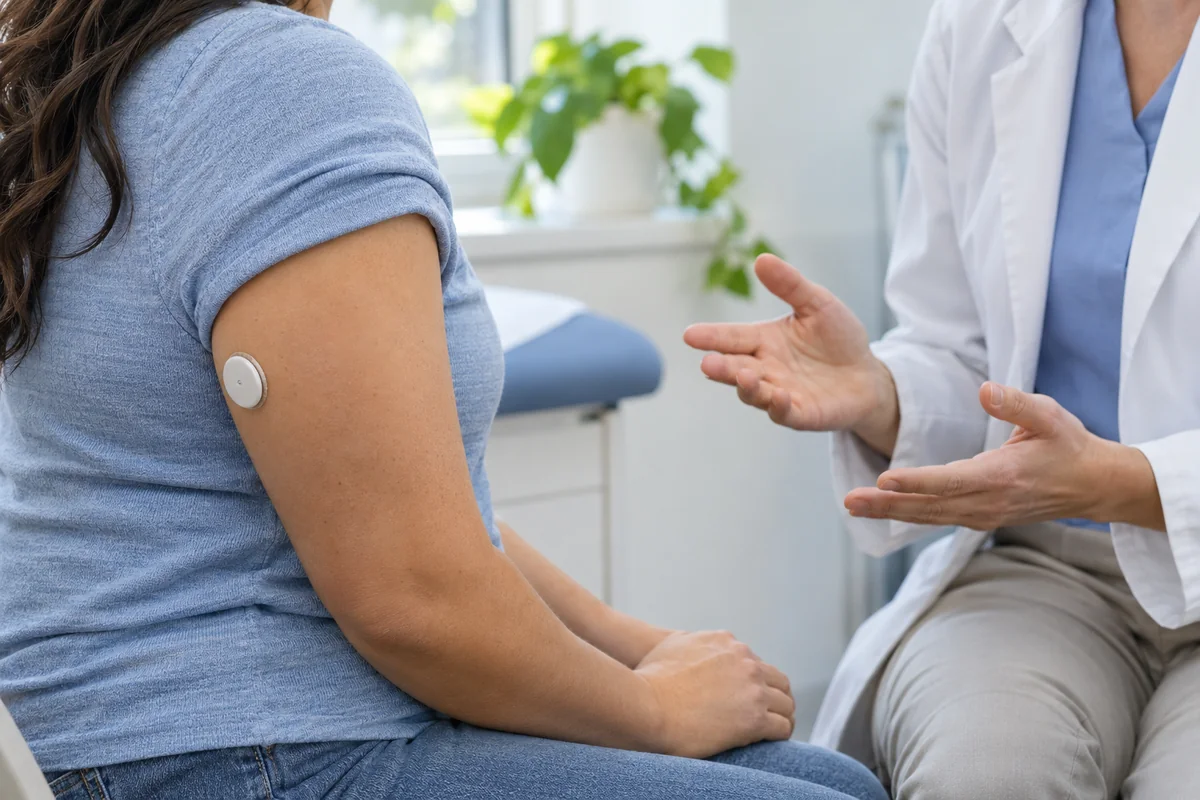
Daily habits and medical care for diabetes
Managing diabetes combines prescribed treatment, glucose monitoring when indicated, and everyday habits. Nutrition, physical activity, emotional wellbeing, and follow-up all contribute to a plan that can be maintained over time. A comprehensive approach considers how these aspects interact. The aim is to support glucose management, understand difficulties, and reduce the risk of complications through individualized care. This guide looks at food choices, activity, sleep, stress, and the information you can bring to a consultation. Whether you have recently been diagnosed or are reviewing an established routine, discuss these areas with your health care team so the plan suits your type of diabetes and treatment.
Food choices that support glucose management
A practical eating plan takes your treatment, preferences, access to food, and daily schedule into account. Fiber-rich foods such as beans, vegetables, and whole grains can form part of that plan. Quinoa and oats are examples you can discuss during the consultation. Protein sources such as chicken, fish, tofu, or eggs and foods containing unsaturated fats, such as avocado, nuts, and olive oil, can help you build balanced meals. The amounts and combinations that suit you depend on your health needs. Your health care team can help you understand how different meals relate to your glucose readings and how to make realistic changes.
Ways to plan meals
Build balanced meals with vegetables, a suitable protein source, and carbohydrate foods in portions agreed with your care team. Discuss meal timing in relation to your treatment, particularly if you are at risk of low blood glucose. Read food labels to understand added sugars and portion sizes. Keep hydration in mind and ask about any restrictions if you have another condition that affects your fluid intake. A sustainable eating plan should fit your circumstances and help you make informed choices.
Movement, rest, and emotional wellbeing
Physical activity, restorative sleep, and support with stress contribute to daily wellbeing and diabetes care. Aerobic activity and strength exercises may both be useful. The type and intensity depend on your condition, treatment, and what you can sustain. A consistent bedtime routine, fewer screens near bedtime, and a suitable sleeping environment can support rest. Tell the doctor if sleep remains difficult. Breathing exercises, relaxation, or other strategies you find helpful can support stress management. Ask for help when emotional difficulties interfere with treatment or daily life. Small, realistic changes are easier to maintain as part of a longer-term plan.
Using glucose monitoring to guide a consultation
When glucose monitoring is part of your plan, the readings help identify patterns in relation to food, activity, illness, and treatment. Recording the circumstances of a reading can make that information more useful. Share the record with your endocrinologist. The specialist can interpret the results alongside your medical history and consider whether the plan needs adjustment. Monitoring and regular medical follow-up support efforts to reduce the risk of complications affecting the eyes, nerves, kidneys, and cardiovascular system.
Keep your care plan organized
Check glucose at the times recommended for your situation. Keep a record to share during consultations and include relevant symptoms or changes in routine. Arrange follow-up as advised and discuss patterns over time. Your specialist can help interpret the information and explain the next steps.
How do everyday habits fit with diabetes treatment?
Eating habits, physical activity, sleep, and emotional support can be combined with prescribed medicines and glucose monitoring. Your health care team helps coordinate these parts of the plan according to your needs.
Which lifestyle changes matter?
Balanced meals, suitable physical activity, adequate sleep, and support with stress are important areas to review. The priorities depend on your current routine and the barriers you face.
What about supplements?
Tell your doctor about any supplements or herbal products you use or are considering. Benefits and risks vary, and some products can interact with medicines. Discuss them before adding them to your diabetes care plan.
How often should glucose be checked?
The frequency depends on the type of diabetes, treatment, and individual circumstances. Agree with your health care team when to check, what to record, and how to respond to the results.
Where can I get personalized care in Bogotá?
At Endomédicos, you can arrange an endocrinology appointment with Dr. Teresita Cortés to review your diabetes care, questions, results, and daily routine.
Build a plan you can maintain
Diabetes care brings together medical follow-up, nutrition, physical activity, emotional wellbeing, and sustainable habits. Reviewing how these parts fit together can help you understand your progress. Discuss whether it is time to review your A1C or other follow-up results. Bring your current treatment information and any glucose and meal records you already keep. Your care team can help identify patterns and choose practical next steps.
Discuss your case with Dr. Teresita Cortés
Book an appointment at Endomédicos to review your symptoms and medical history with Dr. Teresita Cortés. Bring any test results you already have and a list of the medicines you use.
When to seek medical care
If symptoms persist, test results are abnormal, or you have questions about medication, arrange an individual assessment. Do not change treatment or doses without medical guidance.
Frequently asked questions
When should I see an endocrinologist?
If symptoms persist, test results are abnormal, or you have questions about medication, arrange an individual medical assessment. Do not self-medicate or change doses without professional guidance.
Does this article replace a medical appointment?
No. This is educational content and does not replace an individual medical assessment.
References
- Managing Diabetes · NIDDK
Does this topic resonate with you?
Every case is different. Book a consultation to review your history, test results and goals with a personalized plan.
More articles about Diabetes

5 min de lectura
Publicado: 20 de agosto de 2026 · Actualizado: 20 de agosto de 2026
Establishing a Personalized Tracking System for Sustainable Habits in Diabetes
Discover how to implement a personalized tracking system that helps you maintain sustainable habits and optimize diabetes management in Bogotá.

5 min de lectura
Publicado: 31 de agosto de 2026 · Actualizado: 29 de septiembre de 2026
Diabetes: How to Create a Practical Log for Glucose Monitoring
Learn how to set up a practical log for monitoring blood glucose, making diabetes management easier and promoting healthy habits.

3 min de lectura
Publicado: 16 de noviembre de 2026 · Actualizado: 16 de noviembre de 2026
Diabetes medication side effects: what to watch for
Distinguish digestive symptoms, low glucose and warning signs. Learn what to record if symptoms appear after a diabetes medication change.

3 min de lectura
Publicado: 16 de noviembre de 2026 · Actualizado: 16 de noviembre de 2026
Diabetic retinopathy: why get an exam if you see well?
What a retinal exam looks for and why vision today does not replace screening.
4 min de lectura
Publicado: 16 de noviembre de 2026 · Actualizado: 16 de noviembre de 2026
Insulin resistance: what it means and how clinicians assess it
Understand the difference between insulin resistance and prediabetes, and which information and tests can guide evaluation.

5 min de lectura
Publicado: 27 de octubre de 2026 · Actualizado: 27 de octubre de 2026
Going Home After Giving Birth with Diabetes: Connecting Your Hospital Plan with Follow-Up Care
What to confirm before discharge if you have type 1 or type 2 diabetes: who will continue your care, which documents to keep, and how to prepare for your first follow-up visit.