Educational article
Understanding endocrine health and the conditions we assess

Educational content. It does not replace an individual medical assessment and should not be used for self-medication.
How the endocrine system works
The endocrine system is a network of glands and hormones involved in metabolism, growth, mood, and reproductive health. It includes the thyroid, pituitary, adrenal glands, and the hormone-producing cells of the pancreas. Hormones carry signals that coordinate important functions. Disorders affecting hormone production or action can lead to symptoms such as tiredness, weight changes, sleep problems, or changes in mood. These symptoms also have other possible causes. Understanding common endocrine conditions can help you describe changes and prepare for a medical assessment. This guide reviews diabetes, thyroid disorders, bone health, and other questions that may be discussed in endocrinology. Follow-up, medical treatment when indicated, and appropriate daily habits can all contribute to care. Whether you have a diagnosis or are investigating symptoms, an individual assessment helps determine which next steps are useful.
Diabetes, symptoms, and an individual care plan
Diabetes affects how the body manages glucose. When blood glucose remains elevated, it can contribute to damage affecting organs and tissues over time. Type 1 diabetes usually results from an autoimmune process affecting insulin-producing cells and can develop at different ages. Type 2 diabetes involves reduced insulin action and difficulties producing enough insulin for the body’s needs. Symptoms may include frequent urination, increased thirst, unexplained weight loss, tiredness, or blurred vision. Discuss these changes with a doctor, especially if you have relevant risk factors or previous abnormal results. Care is individualized and may include prescribed medicines, glucose monitoring, a suitable eating plan, physical activity, and education. Regular appointments help review how the plan is working and address difficulties.
Recognizing an underactive or overactive thyroid
Thyroid disorders can cause symptoms that overlap with many other conditions. Assessment helps determine whether the thyroid is involved. Hypothyroidism develops when thyroid hormone production is insufficient. Possible symptoms include tiredness, weight gain, feeling cold, dry skin, or changes in mood. Hashimoto’s disease is a common cause. Treatment may involve thyroid hormone replacement and monitoring chosen for the individual. Hyperthyroidism involves excessive thyroid hormone production. Symptoms may include palpitations, weight loss, anxiety, or difficulty tolerating heat. Graves’ disease is one possible cause. Medical treatment, radioactive iodine, or surgery may be considered depending on the cause and circumstances. If you notice persistent changes in energy, mood, or weight, discuss them with the doctor. The assessment determines whether thyroid function tests or another investigation would help explain them.
Other endocrine conditions worth knowing about
Endocrinology also covers adrenal disorders, bone metabolism, pituitary conditions, parathyroid disorders, and changes in reproductive hormones. Their symptoms can overlap with those of other illnesses. Medical history and targeted investigations help establish the cause.
Persistent fatigue and adrenal disorders
Persistent tiredness can be related to sleep, stress, medicines, or many health conditions. Adrenal disorders have specific causes and require an appropriate medical assessment. Symptoms alone cannot establish how the adrenal glands are functioning. Tell the doctor about your energy, sleep, weight changes, medicines, and other symptoms. The assessment guides whether an investigation of cortisol or another system would be useful. Support with stress and sleep can form part of general care.
Osteoporosis and hormonal health
Bone strength can be affected by age, hormonal changes, other conditions, and certain medicines. Changes involving estrogens, testosterone, or parathyroid hormone may be relevant to the assessment. Some people first discover osteoporosis after an unexpected fracture or a change in height. The doctor can review risk factors and determine whether bone density testing or another assessment is appropriate. The plan may include activity, nutrition, and medical treatment according to the findings.
Growth hormone deficiency in adults
Adult growth hormone deficiency may be associated with changes in muscle, body composition, or quality of life. These findings have several possible explanations. Diagnosis requires specialist evaluation, particularly when there is relevant pituitary disease or treatment history.
Hyperparathyroidism and calcium regulation
The parathyroid glands help regulate calcium. Excess parathyroid hormone can affect calcium balance and, in some cases, contribute to kidney stones or bone problems. The meaning of symptoms and test results must be assessed together.
Excess androgen production
The adrenal glands and ovaries both contribute to androgen production. When symptoms suggest excess androgens, the specialist considers several possible causes, including PCOS and adrenal conditions. The investigation is chosen according to the symptoms, medical history, and examination.
What to expect from an endocrinology appointment
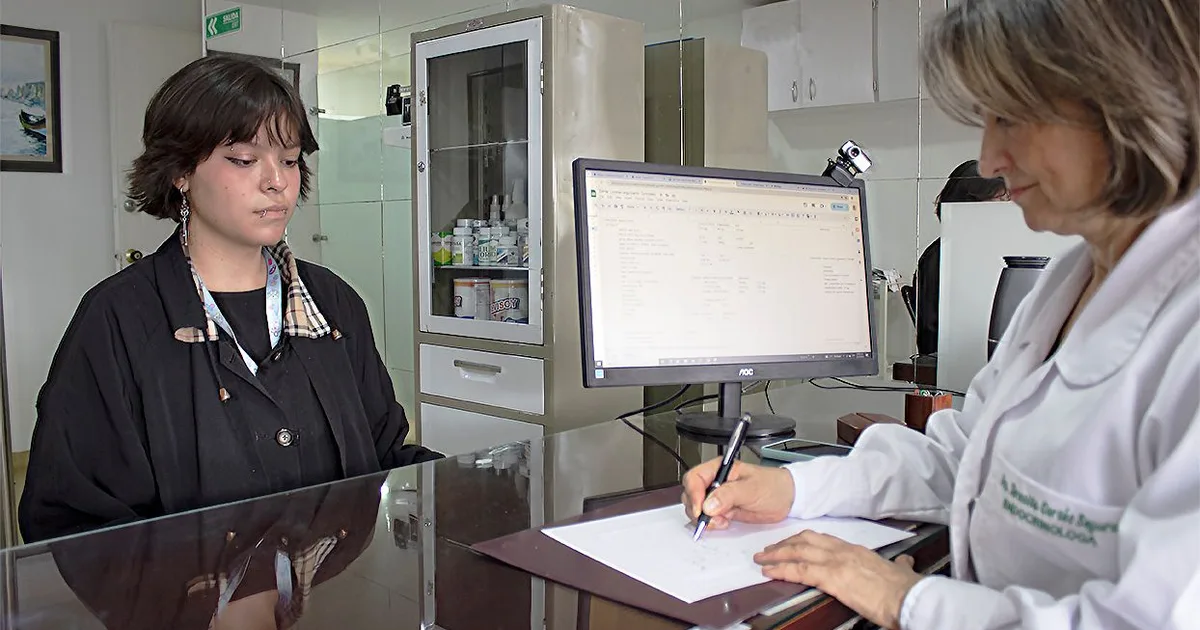
Knowing how a consultation is organized can help you prepare and make use of the time. The appointment starts with your concerns, medical history, and available information. The questions below cover common practical points.
Which conditions does an endocrinologist assess?
Endocrinologists assess hormone and metabolic disorders, including different forms of diabetes, hypothyroidism, hyperthyroidism, thyroid nodules, adrenal conditions, osteoporosis, and reproductive hormone concerns. Unexplained weight changes, ongoing tiredness, or mood changes may be reasons to seek assessment. The doctor considers hormonal and other possible explanations.
How should I prepare for my first consultation?
Bring a list of current medicines, any test results you already have, and a symptom record. Include when changes began, how often they happen, and information about meals, sleep, activity, or stress that may be relevant. This helps the specialist understand your circumstances.
Will I need tests at the first visit?
The priority is usually to review your medical history, symptoms, family history, medicines, and previous results. The doctor then decides whether further investigations are useful and which ones can answer the clinical question. At Endomédicos, Dr. Teresita Cortés assesses these details to guide the next steps in your care.
How long does an appointment last?
At Endomédicos, the first appointment and each follow-up appointment last 30 minutes. The first visit focuses on your history, symptoms, and available reports. Follow-up visits review progress and questions about the plan.
What if I do not speak Spanish?
Ask about language arrangements when booking your appointment. Confirm the support available for the consultation and for understanding any instructions or reports.
How often will I need follow-up?
The schedule depends on the diagnosis, treatment, and how symptoms or results change. Agree with the doctor when to return and what information to bring to that appointment.
Can follow-up take place remotely?
Virtual consultations may be suitable for some endocrine questions and follow-up appointments. Ask which format fits your needs and whether an in-person examination is required.
Take the next step in understanding your symptoms
Endocrine health affects energy, metabolism, mood, growth, and other aspects of daily life. Diabetes, thyroid disorders, and other hormonal conditions can be assessed and managed with an individual care plan. Persistent tiredness, unexplained weight changes, sleep difficulties, or mood changes deserve attention. Record how they have developed and discuss them in a medical consultation. Endomédicos offers endocrinology appointments in Bogotá with Dr. Teresita Cortés. An assessment can help you understand possible causes and decide on appropriate follow-up.
Discuss your case with Dr. Teresita Cortés
Book an appointment at Endomédicos to review your symptoms and medical history with Dr. Teresita Cortés. Bring any test results you already have and a list of the medicines you use.
When to seek medical care
If symptoms persist, test results are abnormal, or you have questions about medication, arrange an individual assessment. Do not change treatment or doses without medical guidance.
Frequently asked questions
When should I see an endocrinologist?
If symptoms persist, test results are abnormal, or you have questions about medication, arrange an individual medical assessment. Do not self-medicate or change doses without professional guidance.
Does this article replace a medical appointment?
No. This is educational content and does not replace an individual medical assessment.
References
- Hormones and Endocrine Function · Endocrine Society
- Managing Diabetes · NIDDK
- Thyroid Tests · NIDDK
- Adrenal Fatigue · Endocrine Society
Does this topic resonate with you?
Every case is different. Book a consultation to review your history, test results and goals with a personalized plan.
More articles about Hormones and hormonal disorders

3 min de lectura
Publicado: 16 de noviembre de 2026 · Actualizado: 16 de noviembre de 2026
What does an endocrinologist do and what do they treat?
What endocrinology and metabolism cover, when an assessment may help, and what to bring to a first visit.

5 min de lectura
Publicado: 21 de septiembre de 2026 · Actualizado: 21 de septiembre de 2026
Before Your Appointment for Possible Hormonal Changes: How to Keep a Useful Record
Keep track of when changes occur, how long they last, and how they affect your daily life. A record provides context for your appointment, but it cannot determine the cause on its own.

5 min de lectura
Publicado: 9 de noviembre de 2026 · Actualizado: 9 de noviembre de 2026
Hormone Follow-Ups with Multiple Specialists: How to Organize Information for a Clearer Visit
Organize treatments, results, and questions before an endocrinology follow-up, and clarify who will follow up on each aspect of your care.

6 min de lectura
Publicado: 4 de noviembre de 2026 · Actualizado: 4 de noviembre de 2026
If a Family Member Has a Confirmed Hereditary Endocrine Syndrome: How to Plan Your Next Step
Learn what family information to gather and how clinicians assess whether an evaluation or genetic test may be appropriate when a family member has a confirmed hereditary endocrine syndrome.

5 min de lectura
Publicado: 1 de noviembre de 2026 · Actualizado: 1 de noviembre de 2026
Hormonal Complications: How to Tell an Emergency from a Prompt Appointment
How to assess whether a change calls for immediate care, prompt clinical guidance, or can be discussed at a scheduled follow-up—without attributing isolated symptoms to a hormonal complication.

5 min de lectura
Publicado: 29 de octubre de 2026 · Actualizado: 29 de octubre de 2026
More Than the Hormone: How to Choose the Treatment Form That Best Fits You
The different forms of a hormone therapy are not always interchangeable. Learn what practical and clinical factors to review with your health care professional before starting, changing, or continuing a regimen.