Educational article
Osteoporosis: what it is, how it is assessed and what care involves

Educational content. It does not replace an individual medical assessment and should not be used for self-medication.

What osteoporosis is
Osteoporosis makes bones more fragile and increases the chance of fractures. It often goes unnoticed until a fracture occurs. Assessment aims to understand your risk and decide which measures may help protect mobility and independence.
Which history matters
Describe previous fractures and how they happened, height loss, falls and family history. Menopause, steroid use and some illnesses or treatments affecting bone also matter. Bring a list of medicines and supplements, including those used for other conditions.
What a bone density scan adds
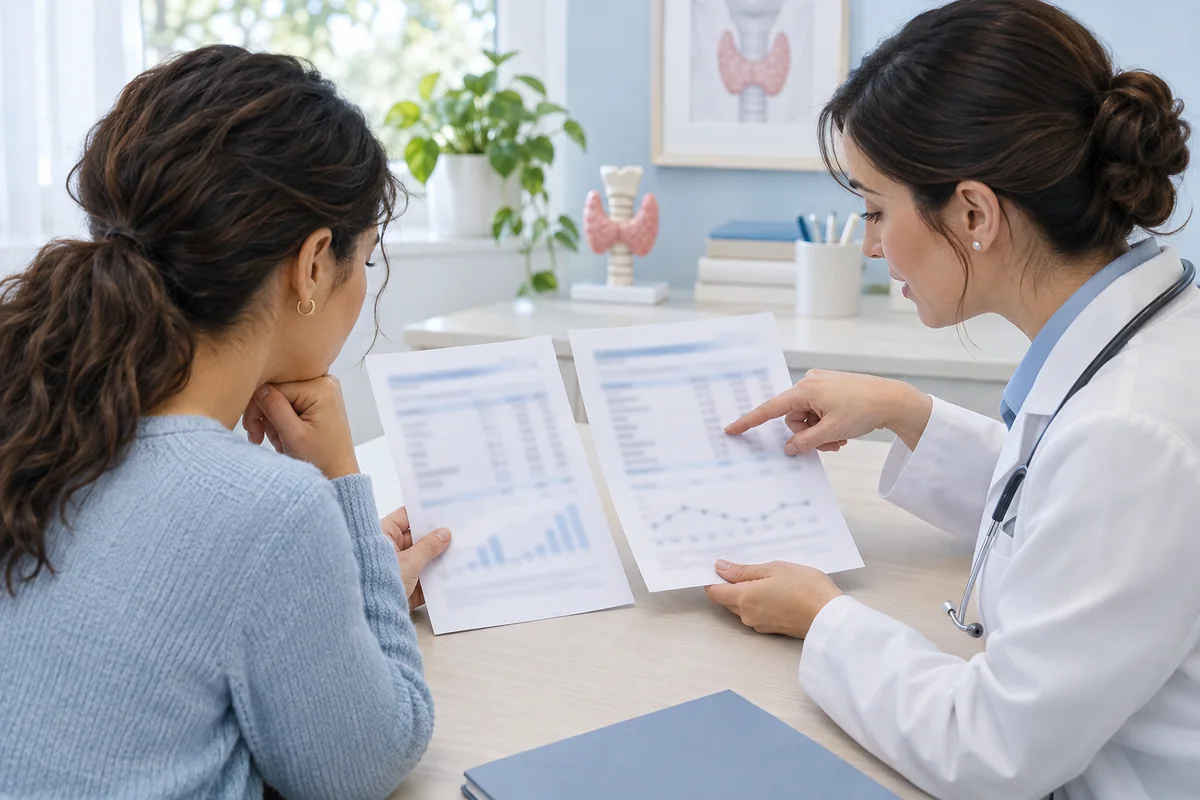
A bone density scan measures mineral density at particular sites. The report is interpreted with your history and measurement conditions. Bring full previous reports so the team can assess whether the scans can be compared and what any change means.
How care is planned
Care may include nutrition, adapted activity, fall prevention and medication when appropriate. Decisions depend on fracture risk and medical history. Ask which goal will be followed, what precautions apply to you and when response should be reviewed.
What to do about new pain
Seek assessment for sudden back pain or a fracture after a minor fall. Explain when it started and what movement or injury came before it. New weakness, difficulty walking or severe pain after a fall warrants prompt care.
Review your situation with the doctor
Attend an in-person or virtual consultation with Dr. Teresita Cortés at Endomédicos to review your history, questions and follow-up. Bring available reports and a list of the products you use.
When to seek medical care
If symptoms persist, test results are abnormal, or you have questions about medication, arrange an individual assessment. Do not change treatment or doses without medical guidance.
Frequently asked questions
Does osteoporosis always cause pain?
It can develop without obvious symptoms. Your history and fracture risk help guide assessment.
Can calcium alone address osteoporosis?
Care depends on nutrition, fracture risk, activity and other needs. Discuss the role of supplements and whether additional treatment is appropriate.
References
Does this topic resonate with you?
Every case is different. Book a consultation to review your history, test results and goals with a personalized plan.
More articles about Osteoporosis
3 min de lectura
Publicado: 16 de noviembre de 2026 · Actualizado: 16 de noviembre de 2026
T-score and Z-score: what differs on a bone density report
How to identify the comparison used in your bone density report.
3 min de lectura
Publicado: 16 de noviembre de 2026 · Actualizado: 16 de noviembre de 2026
Osteoporosis exercise: combining strength and balance
Questions that help choose movement based on mobility and fracture history.
3 min de lectura
Publicado: 16 de noviembre de 2026 · Actualizado: 16 de noviembre de 2026
How to compare two DXA scans for a real change
Why equipment, measurement site and variability matter when comparing reports.
3 min de lectura
Publicado: 16 de noviembre de 2026 · Actualizado: 16 de noviembre de 2026
Wrist fracture after a low-impact fall: when to assess bone health
How the circumstances of the fall can guide a conversation about future fracture risk.

5 min de lectura
Publicado: 8 de noviembre de 2026 · Actualizado: 8 de noviembre de 2026
Moving with Osteoporosis: How to Care for Your Balance and Strength While Staying Active
Physical activity can support strength and mobility with osteoporosis. Learn about its components, how to start gradually, and what to discuss when adapting movement to your needs.

5 min de lectura
Publicado: 6 de noviembre de 2026 · Actualizado: 6 de noviembre de 2026
Osteoporosis Treatment: How to Measure Progress Beyond Bone Density Scans
The response to osteoporosis treatment is not usually something you can feel day to day. Learn how fractures, adherence to the treatment plan, and bone density scans are interpreted to assess risk and decide on next steps.